
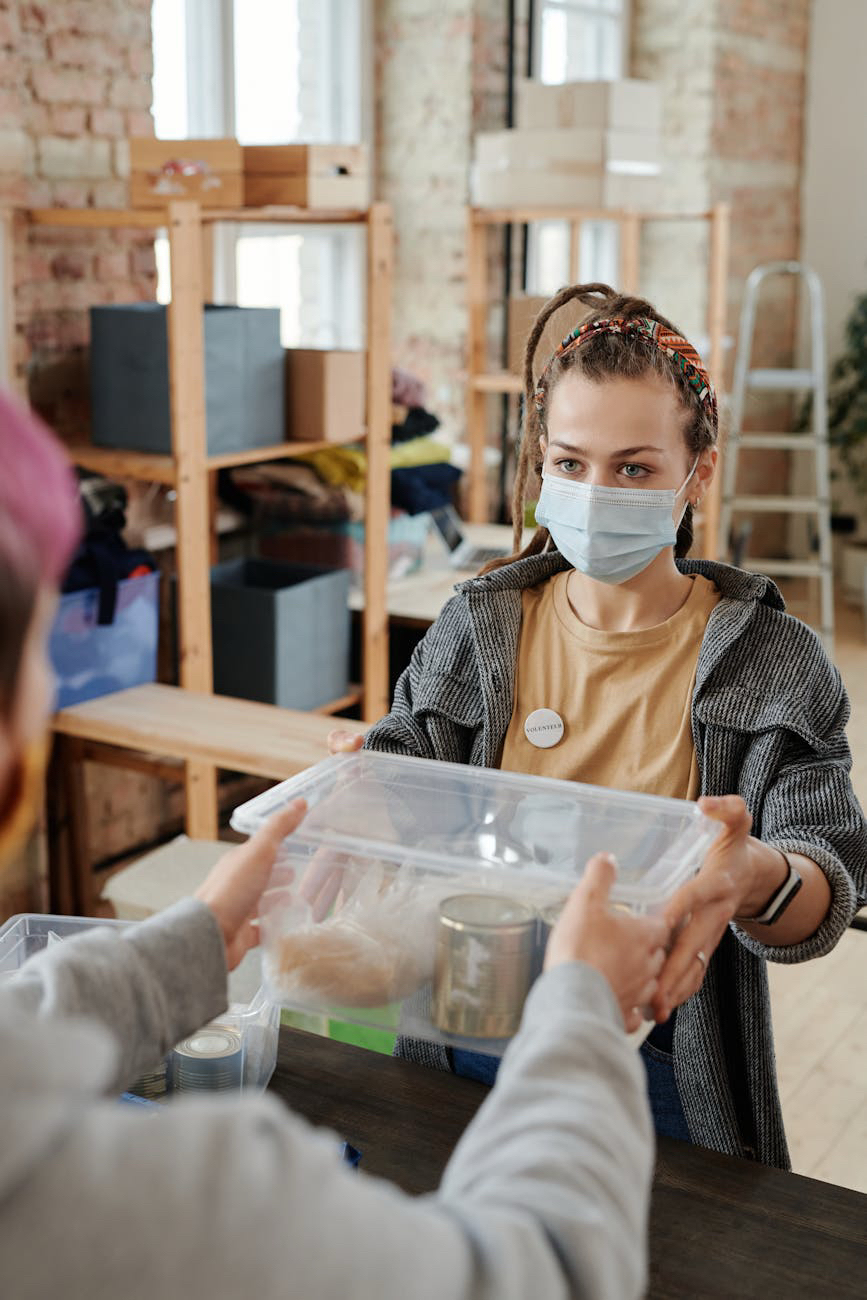
What job would you do for free?
Why Volunteering at Food Banks Can Help Coeliacs Access Gluten-Free Essentials
I only spent one day volunteering at a food bank — but it stuck with me in a way that very few things do. It was humbling, eye-opening, and if I’m honest, something I think about often. I’d love to do it again, properly, and make it a regular part of my life.
If I did go back — and one day, I hope I will — I wouldn’t just be there to pack bags or sort tins. I’d be going with a purpose: to make sure people with dietary needs, especially coeliacs, aren’t overlooked.
Because here’s the reality: if you’re struggling to afford food at all, you’re far less likely to be able to prioritise your health — let alone stick to something as specific and, let’s face it, expensive as a gluten-free diet.
When safe food costs double or triple the price of standard options, it becomes a luxury. And the kicker? For coeliacs, it’s not a lifestyle choice. It’s medicine. It’s survival. We don’t avoid gluten because it’s trendy — we avoid it because it causes real damage.
The end of gluten-free prescriptions made it even worse.
For years, gluten-free essentials like bread, flour, and pasta were available on NHS prescription for people with coeliac disease. Not fancy food, not indulgences — just the basics. And for many, it was a vital support system.
But in most areas, that support has been withdrawn.
The argument is often that “gluten-free food is available in supermarkets now.” And yes, it is. But it’s not affordable for everyone. A loaf of gluten-free bread can cost over £3. A bag of pasta, £2 or more. When you’re on a tight budget or relying on food banks, you don’t get to be picky — and you definitely don’t get to be gluten-free.
So people make impossible choices. They skip meals. Or they eat food they know will make them sick, just to fill their stomachs. And the long-term effects of that, for someone with coeliac disease, are devastating.
That’s why I’d work at a food bank for free.
Because until the system catches up and starts supporting people with dietary requirements properly again, someone has to step in.
Even in just one day at a food bank, I saw how much these places mean to people. The care, the dignity, the sense of community. I want to be part of that again — and this time, I want to bring a few gluten-free supplies with me.
Want to help?
Next time you’re donating to a food bank, please consider including a few gluten-free basics:
- Pasta
- Breadsticks, crackers or oatcakes
- Cereal
- Tinned meals or soups that are clearly labelled gluten-free
It might seem like a small gesture, but for someone who has to live gluten-free and is struggling to afford food, it could be life-changing.
And if you’ve ever thought about volunteering — even just for a day — I can’t recommend it enough. That one day stuck with me. I’m sure it would with you, too.
To find a local food bank near you can use a search engine or I’ve provided a link for a food bank list below


Leave a comment