

Calm, practical recovery advice grounded in UK guidance and lived experience
Quick note
This post is not medical advice. It is practical, evidence informed guidance based on UK health recommendations and lived experience. If you are severely unwell, dehydrated, or worried, contact NHS 111 or seek urgent care.
There is a very specific moment you realise you have been glutened
It might start as a small cramp. A wave of nausea. A strange heaviness. Or sometimes it hits properly and you just know.
Then comes the mental spiral.
Did I miss something
Was it cross contamination
How bad is this going to be
How long will this last
If you live with coeliac disease, accidental gluten exposure is one of those things you prepare for but hope never happens. The truth is, it sometimes does. When it does, the most helpful thing is not panic. It is a plan.
Stomach cramps. Diarrhoea. Nausea. Bloating. Fatigue. Brain fog. Headaches.
These are just some of the symptoms you might experience after being exposed to gluten.
Quick recovery checklist
| 1 | Stop the exposure Return to strict gluten avoidance and do not risk a second hit. |
| 2 | Hydrate first Small regular sips. Oral rehydration solution if you are losing fluids. |
| 3 | Eat gently when you can Soft bland gluten free foods you already tolerate. |
| 4 | Rest like it is your job Fatigue is part of this. Lower your expectations for a day or two. |
| 5 | Watch for red flags If symptoms are severe or worsening, get medical advice. |
What official guidance says
Coeliac UK and the NHS are clear on the big picture. The only treatment for coeliac disease is strict lifelong avoidance of gluten.
That also means there is no way to flush gluten out of your system once it has been eaten. There is no undo button.
So the goal after an exposure is supportive care. Hydration, gentle gluten free foods as tolerated, rest, and time.
Important
Recovery is about supporting your body, not trying to cancel the exposure. If you see claims about detoxing gluten, treat them like you would treat a haunted toaster. Interesting story. Not helpful in real life.
Hydration first
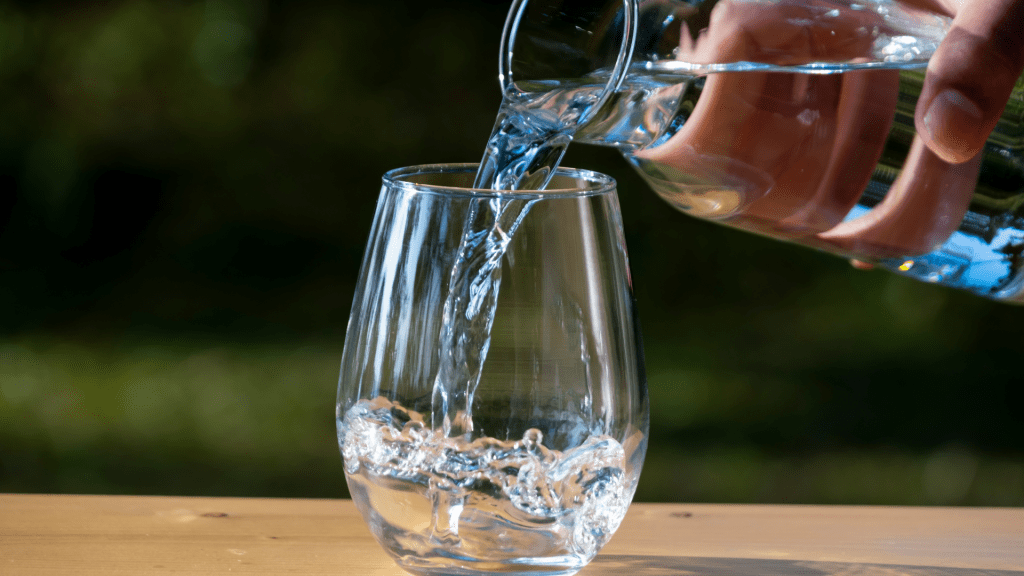
If you have diarrhoea or vomiting, hydration is the priority. Small sips little and often usually work better than big drinks.
Good options
- Water
- Weak squash
- Oral rehydration solution if you are losing fluids or struggling to keep drinks down
Best avoided if diarrhoea is active
- Fruit juice
- Fizzy drinks
- Very sugary drinks
If you are unsure, a pharmacist can advise on oral rehydration solutions and what is appropriate for you.
Eat when you feel able
Official guidance for diarrhoea and vomiting generally supports eating when you feel able. There is no special recovery diet that works for everyone. The practical aim is to avoid making symptoms worse.
In real life, this usually means choosing simple gluten free foods that are soft, mild, low fat, and easy to digest.
Often tolerated options
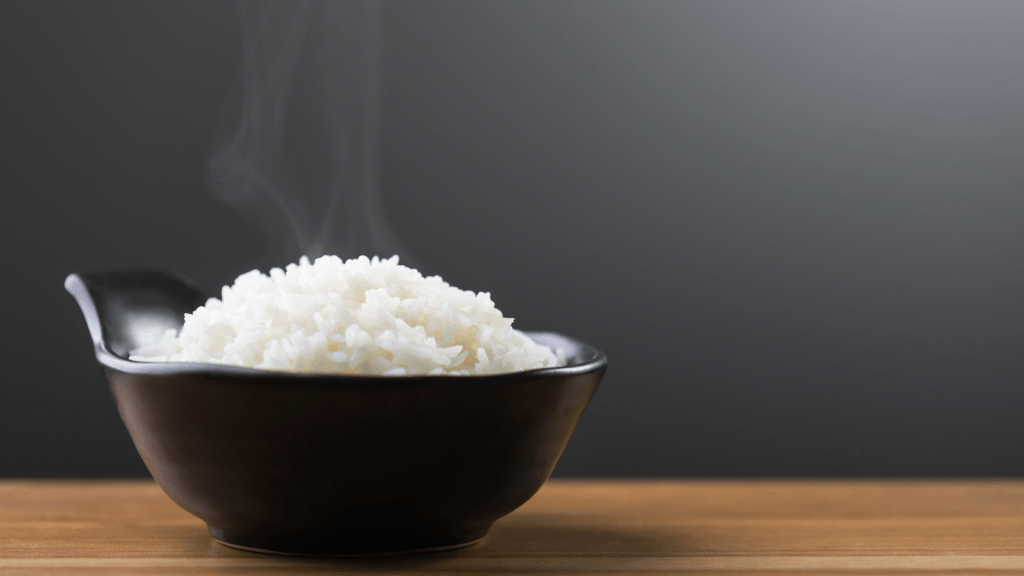
- White rice
- Mashed potatoes
- Plain yoghurt if you tolerate dairy
- Eggs cooked gently
- Gluten free toast
Keep portions small. If your stomach is unsettled, think snack sized, not Sunday roast sized.
Simple recovery mini recipes
These are deliberately bland, soft, and low effort. They are not medical treatment. They are just practical ideas for when you need food that will not start a second argument with your gut.
Very soft recovery rice
Serves 2
Tools for the Job
- Medium saucepan with lid
- Measuring jug
- Fork
Ingredients
- 150 g white rice
- 450 ml water
- 2 g salt
Method
- Rinse the rice under cold water.
- Add rice, water and salt to a saucepan.
- Bring to the boil, then reduce to a low simmer and cover.
- Cook for 15 to 18 minutes until very soft. Add a little extra water if needed.
- Rest 5 minutes, then fluff gently.
Basic recovery mash
Serves 2
Tools for the Job
- Saucepan
- Colander
- Potato masher
Ingredients
- 400 g potatoes, peeled and chopped
- 20 g butter
- 40 to 60 ml warm milk
- 2 g salt
Method
- Boil the potatoes for 15 to 20 minutes until very soft.
- Drain well.
- Mash with butter, then gradually add warm milk until smooth.
Soft scrambled eggs on gluten free toast
Serves 1
Tools for the Job
- Non stick frying pan
- Spatula
- Toaster
Ingredients
- 2 medium eggs
- 10 g butter
- 2 slices gluten free bread
- Small pinch of salt
Method
- Lightly whisk eggs with salt.
- Toast the bread lightly.
- Melt butter over a low heat.
- Add eggs and stir gently until just set and soft.
- Serve immediately.
Banana and yoghurt bowl
Serves 1
Tools for the Job
- Bowl
- Spoon
Ingredients
- 1 medium banana, about 120 g
- 150 g plain yoghurt
- 10 g honey, optional
Method
- Add yoghurt to a bowl.
- Top with banana.
- Add honey if desired.
Detox myths after being glutened
When you have been glutened, the internet gets very loud very quickly. Everyone suddenly has a cleanse, a powder, a tea, or a ritual involving celery and regret.
Here is the calm reality.
Myth 1
You can flush gluten out of your system
Gluten is not something you can rinse out with water, charcoal, lemon, or sweating. Once it is eaten, your body has to process it and your immune system reacts.
What helps instead
Hydration, rest, and returning to strict gluten avoidance.
Myth 2
Activated charcoal fixes it
Activated charcoal is sometimes used for certain poisonings, but accidental gluten exposure is not that. It can also interfere with medications and cause unwanted side effects.
What helps instead
Oral rehydration solutions if you are losing fluids, and gentle gluten free foods when you can tolerate them.
Myth 3
A cleanse or detox tea will speed recovery
Detox teas often act like laxatives or diuretics. If you already have diarrhoea, the last thing you need is something that pushes more fluid out of you.
What helps instead
Small frequent sips of fluids, and avoiding fruit juice and fizzy drinks if diarrhoea is active.
Myth 4
Gluten digestion enzymes will save you
Enzymes are not a treatment for coeliac disease and are not a safety net. They do not prevent the immune response and should never be used to take risks.
What helps instead
Treat this as recovery mode rather than something you can erase.
Myth 5
Starve it out and do not eat for a day
Official guidance for stomach upsets does not recommend forced fasting. If you feel able to eat, small amounts of bland food are often better tolerated than nothing at all.
What helps instead
Small portions of gentle gluten free foods such as rice, mash, yoghurt, and gluten free toast as tolerated.
Why detox myths spread so easily
People want control. When your body is throwing a tantrum, buying a powder feels easier than waiting it out. The truth is less dramatic and far less marketable. Recovery is hydration, rest, and time.
What to avoid for now
If your symptoms are active, these are common triggers that can make things feel worse.
- Very fatty food
- Spicy food
- Large heavy meals
- Fizzy drinks
- Fruit juice
When to seek help
Get medical advice urgently if
- You cannot keep fluids down
- You see blood in vomit or stool
- You have severe abdominal pain
- You show signs of dehydration that do not improve
- Symptoms are worsening rather than settling
If you are unsure, it is always better to get advice than to sit at home hoping it will pass.
The emotional side
Being glutened does not just upset your stomach. It can upset your head.
You might think you have undone months of healing. You have not. Long term complications are linked to repeated ongoing exposure, not a single accidental incident.
Your job now is simple.
- Hydrate
- Eat gently
- Rest
- Return to your normal gluten free diet
You are not back to square one. You are just having a rubbish day.

Frequently asked questions
How long do symptoms last after being glutened
It varies. Some people notice symptoms quickly, others later. Many people feel better within 24 to 48 hours, but symptoms can last several days for some. If symptoms are severe, worsening, or prolonged, seek medical advice.
Can I flush gluten out of my system
Once gluten has been eaten, there is no way to remove it or cancel the immune reaction. The only effective treatment for coeliac disease is strict ongoing avoidance of gluten. Recovery focuses on hydration, gentle gluten free foods, rest, and time.
Should I fast after accidental gluten exposure
Official guidance for diarrhoea and vomiting does not recommend forced fasting. If you feel able to eat, small portions of bland easy to digest gluten free foods are often better tolerated than not eating at all.
What are the best drinks after being glutened
Small frequent sips of water are usually best. If you are losing fluids through diarrhoea or vomiting, oral rehydration solutions may help. Avoid fruit juice and fizzy drinks if diarrhoea is active, as they can make symptoms worse.
Can I take diarrhoea tablets after being glutened
For adults, short term anti diarrhoea medication such as loperamide can sometimes be used to slow diarrhoea for a few hours, particularly if you need temporary control. A pharmacist may advise if it is suitable for you.
These tablets do not treat coeliac disease or stop the immune reaction caused by gluten. They simply reduce symptoms. Do not use them if you have blood in your stool, a high fever, or severe abdominal pain. If you are unsure, speak to a pharmacist or GP.
Can I take medication to help symptoms
A pharmacist may recommend oral rehydration solutions or short term medication for diarrhoea in adults. Anti sickness medication can sometimes help if vomiting is severe. Always speak to a pharmacist or GP before taking new medication, especially if you are unsure.
While in recovery mode can I add a little seasoning to my food
Yes, in most cases a small amount of simple seasoning is fine. A pinch of salt, a small amount of butter, or a drizzle of olive oil is unlikely to cause problems for most people.
It is worth avoiding strong spices, chilli, heavy garlic, very rich sauces, or anything very acidic during the acute phase. When your gut is irritated, strong flavours can sometimes make symptoms feel worse.
Always double check that any seasoning blends, sauces, or flavourings are gluten free, as some mixes can contain hidden sources of gluten.
Does one accidental exposure undo months of healing
No. While symptoms can feel intense, long term complications are linked to repeated ongoing exposure rather than a single accidental incident. The most important step is returning to strict gluten avoidance once the exposure has happened.


Leave a comment