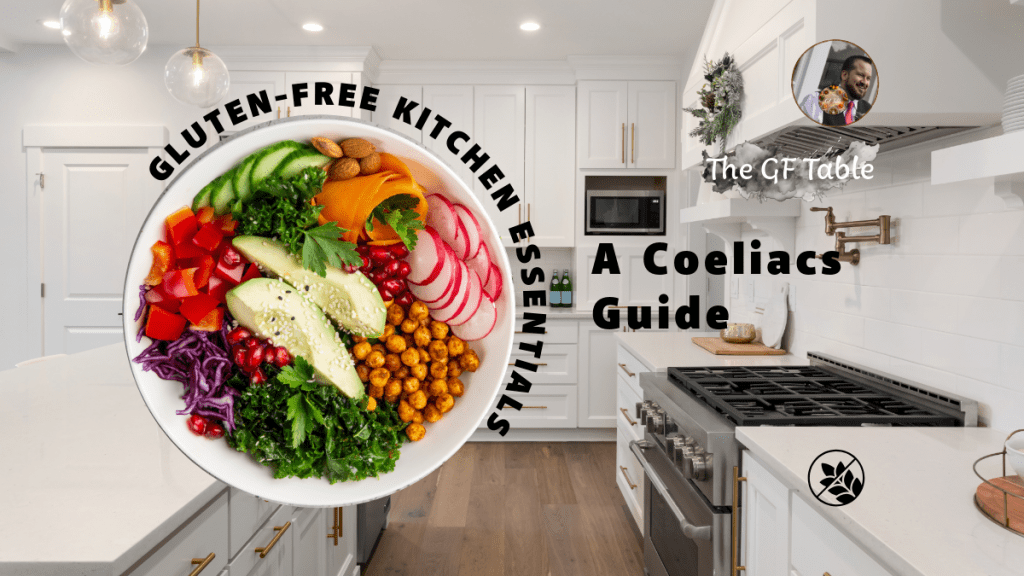
Essential Items for a Gluten-Free Kitchen
Setting up a gluten-free kitchen can feel a bit daunting at first, but it doesn’t have to be! Whether you’re newly diagnosed with coeliac disease or cooking for someone who is, having the right essentials can make all the difference. In this guide, I’ll share the key items that help keep your kitchen safe and make gluten-free cooking easier (and less stressful).
Let me be clear: you don’t need to rush out and buy every single item on the list below. However, each one can be very important when it comes to keeping those sneaky gluten-filled crumbs at bay. In today’s (rather expensive) world, dropping a small fortune on kitchen gear all at once might feel a bit lavish, but building up your arsenal piece by piece? That’s a much smarter (and less stressful) move.

- Separate Toaster
- Cross-contact is real, and breadcrumbs are sneaky. Keep a dedicated gluten-free toaster (or at least toaster bags) so your gluten-free bread doesn’t end up with a side of wheat.
- Mix of Gluten-Free Flours
- Every good gluten-free baker needs an arsenal of flours. Stock up on:
- Almond Flour
- Rice Flour (white and brown)
- Tapioca Starch
- Potato Starch
- Coconut Flour
- Bag of gluten-free all-purpose blend
- Every good gluten-free baker needs an arsenal of flours. Stock up on:
- Xanthan Gum or Psyllium Husk
- These magical ingredients replace gluten’s elasticity in baked goods. Without them, your cookies might crumble into dust.
- Dedicated Cutting Boards and Utensils
- If you share your kitchen with gluten-eaters, have separate tools to avoid cross-contamination. Color-coded boards and utensils work great for this.
- Certified Gluten-Free Oats
- Not all oats are safe! Make sure they’re certified gluten-free because regular oats are often contaminated during processing.
- Gluten-Free Breadcrumbs or Panko
- For crispy coatings and meatballs that actually stick together. Trust me, you’ll miss breadcrumbs until you can’t have them.
- Gluten-Free Soy Sauce (Tamari)
- Regular soy sauce contains wheat—yes, it’s hiding there. Tamari is your gluten-free, flavor-packed savior.
- Labels and Storage Containers
- Label your gluten-free flours, mixes, and leftovers clearly. A shared kitchen can quickly turn into a battlefield without proper organization.
- Gluten-Free Stock and Bouillon Cubes
- Some stocks and bouillon cubes sneak in wheat as a thickener. Keep gluten-free versions handy for soups and sauces.
- Nonstick Silicone Baking Mats
- Easier to clean and less chance of cross-contamination compared to shared baking sheets.

- Rice, Quinoa, and Gluten-Free Pasta
- Keep these versatile staples on hand for quick meals that won’t betray your gut.
- A High-Quality Bread Machine (Optional)
- If you miss fresh bread, a gluten-free bread machine is a worthy investment. Bonus: Your house will smell amazing.
- A Good Gluten-Free Cookbook
- Mastering gluten-free cooking and baking takes practice. A reliable cookbook can help you unlock “Legendary Baker” status faster.
- Cornstarch or Arrowroot Powder
- Great for thickening sauces, soups, and gravies without gluten. Perfect backup for when you run out of potato starch.
- Gluten-Free Yeast
- Regular yeast is usually gluten-free, but double-check labels to ensure it wasn’t produced in a facility with cross-contamination.
- Silicone Muffin Liners
- Prevents sticking and is easy to clean, especially if you’re testing out gluten-free cupcakes or muffins.
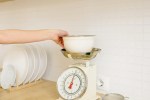
- Food Scale
- Measuring gluten-free flours by weight ensures better accuracy—baking is all about precision!
- Dedicated Spices and Condiments
- Many spice blends and sauces sneak in wheat as fillers. Consider getting separate gluten-free versions of:
- Mustard
- Ketchup
- BBQ Sauce
- Salad Dressings
- Many spice blends and sauces sneak in wheat as fillers. Consider getting separate gluten-free versions of:
- Cast Iron or Nonstick Pans
- If you share a kitchen, keep at least one pan solely for gluten-free cooking. Scratches in nonstick pans can trap gluten from past meals.
- Air Fryer or Convection Oven
- Great for crispy gluten-free breaded items like chicken tenders or veggies without deep-frying.
- Dedicated Gluten-Free Pantry Section
- Keep gluten-free items separate to avoid accidental mixing. Bins or baskets with labels help keep everything organized.
- Reusable Zip Bags or Storage Containers
- For freezing gluten-free baked goods in portions, so you always have a safe snack or meal ready.
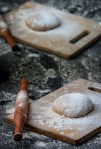
- Dedicated Rolling Pin and Pastry Mat
- If you bake, it’s crucial to avoid using tools that might be covered in leftover gluten.
- Gluten-Free Pizza Crust Mix or a ready made Pizza Base
- Because you’ll inevitably crave pizza, and DIY pizzas can save the day.
- Canned Coconut Milk
- Great for making creamy soups, curries, or even dairy-free desserts while staying gluten-free.
- Gluten-Free Breadcrumb Alternatives
- If you’re out of GF breadcrumbs, crushed gluten-free crackers, rice cakes, or even nuts (like almond meal) work well in recipes.
- Microwave Rice Cooker or Steamer
- Perfect for cooking naturally gluten-free staples like rice, quinoa, or steamed veggies quickly.
So there you have it. I know it’s quite a long list, but I think everything on it is at least worth considering. Just as some of these items help me, I hope they’ll make your life a little easier and set your mind at ease by taking away the worry of cross-contact.


Leave a reply to Ultimate Beginner’s Guide to Being Coeliac – The GF Table Cancel reply