
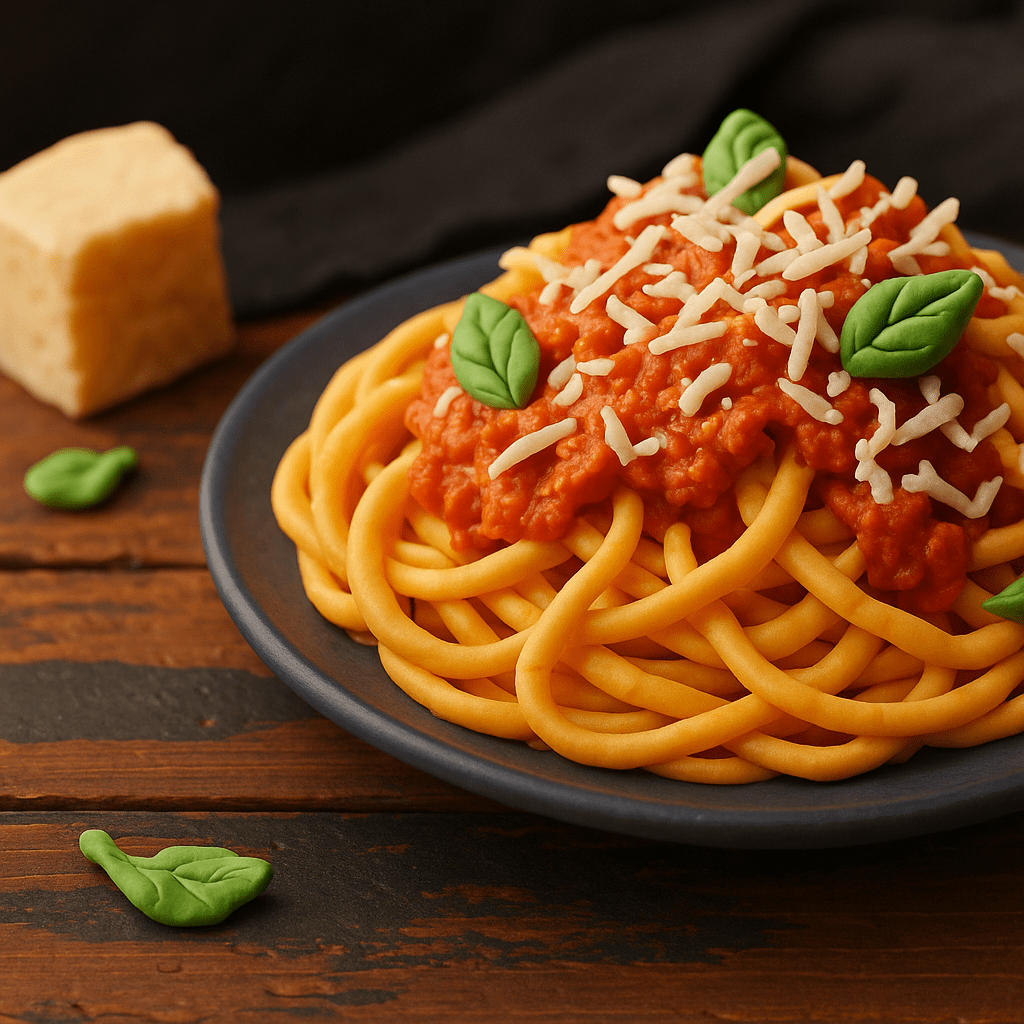
Let’s be honest—gluten free pasta has a bit of a reputation. One minute it’s bubbling away, giving you hope. The next it’s a gluey, starchy puddle that tastes like regret. But it doesn’t have to be that way.
Whether you’re new to gluten free cooking or just tired of pasta fails, this guide has everything you need to avoid the usual pitfalls, cook with confidence, and maybe even start bragging a little.
This isn’t just about avoiding soggy disasters—we’re going full pasta pro.
Contents
- Contents
- The Truth About Gluten Free Pasta
- Essential Cooking Tips to Avoid the Soggy Trap
- Mastering Al Dente: The Gluten-Free Sweet Spot
- Want to Get Fancy? Try These Pasta Hacks
- Match Made in Pasta Heaven: Shapes and Sauces
- Keep It Simple: The Italian Way
- Final Thoughts
- Keep Reading
The Truth About Gluten Free Pasta
Gluten free pasta is made from all sorts of things—corn, rice, chickpeas, lentils, quinoa, buckwheat—you name it. While that gives you more variety than a mystery sweet tin, it also means different textures, cooking times, and behaviour.
Without gluten to give it structure, it’s less forgiving. Overcook it by 30 seconds and you’ve got a crime scene in your colander. But don’t panic—help is here.
Essential Cooking Tips to Avoid the Soggy Trap
1. Salt the Water Like the Sea
This is non-negotiable. Gluten free pasta needs all the flavour help it can get. Your water should taste like the ocean—not like a suggestion. Add salt once it’s boiling and before the pasta goes in.
Pro tip: If your doctor says no to salt, ignore me. I’m not a qualified pasta physician.
2. Use Loads of Water
More water = more space for starch to disperse. Gluten free pasta releases a lot of starch, and too little water makes it turn sticky fast.
3. Stir Like You Mean It
Especially in the first couple of minutes. Gluten free pasta is clingy—like “double-texted after one date” clingy. Stir it to keep it from sticking together.
4. Forget the Packet Timing
Start checking a couple of minutes before the lowest recommended time. You want it al dente—not mushy.
5. Never Add Oil to the Water
It won’t stop sticking—it floats on top and never touches the pasta. Worse, it can coat the pasta and stop sauce from clinging. Save your oil for drizzling or your sauce.
6. Reserve Some Pasta Water
Before draining, scoop out a mugful of the cooking water. It’s liquid gold for helping sauces stick and loosening things up if needed.
7. Rinse or Don’t Rinse?
- Don’t rinse if you’re eating hot and saucing immediately.
- Do rinse if it’s for pasta salad or you’re storing it for later. Cold water stops the cooking process and keeps it from turning into a lump.
Mastering Al Dente: The Gluten-Free Sweet Spot
If you’re cooking gluten free pasta and not aiming for al dente, you’re doing it dirty.
Al dente means “to the tooth”—firm, with a slight bite. For gluten-free pasta, it’s not just a preference; it’s a survival skill.
Here’s how to nail it:
- Start checking early. If the packet says 10–12 minutes, check at 8.
- Taste a piece. There should be a slight resistance in the middle—not mush, not crunch.
- Stop cooking early if the pasta is going into a hot sauce—it’ll keep cooking as it absorbs flavour.
Bonus tip: Every brand behaves differently. Keep notes like a gluten-free kitchen scientist.
Want to Get Fancy? Try These Pasta Hacks
Boil Pasta in Broth
Cooking pasta in vegetable or chicken broth gives it subtle flavour, especially good for soups or minimalist sauces.
Toast the Dry Pasta
Toast it in a dry pan for 2–3 minutes before boiling for a nutty depth of flavour—especially tasty with creamy or cheesy sauces.
Try One-Pan Pasta (Cautiously)
Cooking pasta in the sauce is trendy—and it can work with gluten-free pasta if you:
- Use extra liquid (water or broth)
- Choose a sturdy pasta (like corn/rice blends)
- Stir gently and frequently
- Simmer on low heat
It’s rich, flavour-packed, and saves washing up. But when it goes wrong? Don’t try it for the first time with guests watching.
Make Pasta Chips
Leftover pasta? Toss with oil and spices, then bake or air fry until crisp. Crunchy, weird, and weirdly addictive.
Match Made in Pasta Heaven: Shapes and Sauces
Spaghetti & Linguine
- Best for: Tomato sauces, garlic & oil, creamy carbonara, seafood sauces.
- Why it works: These classics coat evenly in smooth sauces and are perfect for that fork-twirl.
- Avoid: Chunky sauces — they just slip off.
Tagliatelle
- Best for: Rich, creamy sauces (Alfredo, mushroom cream) or slow-cooked ragùs.
- Why it works: The wider ribbons hold on to heavier sauces beautifully.
Penne & Rigatoni
- Best for: Ragùs, chunky vegetable sauces, cheesy bakes.
- Why it works: Tubes trap the sauce inside, turning every bite into a flavour pocket.
- Extra tip: Rigatoni’s ridges make it the king of baked pasta.
Macaroni
- Best for: Mac & cheese, pasta salads, baked casseroles.
- Why it works: Short, curved tubes soak up sauce without going soggy.
Fusilli
- Best for: Pesto, chunky veg sauces, or cold pasta salads.
- Why it works: Spirals cling to sauce like Velcro, holding even the smallest bits of flavour.
Conchiglie (Shells)
- Best for: Creamy sauces, veg sauces, or baked pasta.
- Why it works: Shells scoop up sauce, cheese, and bits of veg, making them extra satisfying.
Farfalle (Bow Ties)
- Best for: Cold pasta salads, light tomato sauces, or creamy veg mixes.
- Why it works: Their pinched middles hold flavour while the flat “wings” carry dressing well.
Casarecce
- Best for: Pesto, chunky vegetable sauces, or seafood pasta.
- Why it works: The twisted “S” shape hugs sauces tightly and traps herbs in the folds.
Mafalda Corta
- Best for: Creamy sauces, ragùs, or oven bakes.
- Why it works: The ruffled edges catch sauce beautifully, giving you more flavour in every bite.
Anellini
- Best for: Soups, baked pasta dishes, or pasta salads.
- Why it works: Tiny ring-shaped pasta that holds up in liquid and adds fun texture to broths or bakes.
Lasagne Sheets
- Best for: Classic lasagne, veggie bakes, layered pasta dishes.
- Why it works: Flat sheets are designed to hold layers without collapsing.
- Extra tip: Parboil gluten-free sheets briefly to avoid chewy edges.
Gnocchi (Potato Pasta)
- Best for: Butter & sage, tomato passata, pesto, or creamy cheese sauces.
- Why it works: Soft, pillowy texture that soaks up sauce.
- Extra tip: Pan-fry for a crispy twist (like your chilli butter version!).
Ravioli & Tortellini
- Best for: Simple butter & sage, tomato passata, or light broths.
- Why it works: The filling is the star — sauces should complement, not overpower.
- Extra tip: Try pan-frying GF ravioli for an indulgent starter or snack.
Orzo
- Best for: Soups, broths, and risottos.
- Why it works: Tiny pasta that thickens soups while still holding shape.
Tip: Not all brands ace every shape. Some do brilliant fusilli but tragic spaghetti. Find your favourites.
Keep It Simple: The Italian Way
One of the biggest pasta mistakes? Overcomplicating it. Traditional Italian pasta dishes like aglio e olio, cacio e pepe, or spaghetti al pomodoro are built on simplicity. A few high-quality ingredients, cooked with care.
For gluten-free pasta, this works beautifully. Heavy, complicated sauces can overwhelm it—keep things light and balanced, and let the pasta shine.
Reliable sauce combos:
- Garlic, olive oil, and a little chilli
- Tomato, basil, and a splash of pasta water
- Butter, black pepper, and grated cheese
- Pesto (just check it’s gluten free!)
Final Thoughts
Cooking gluten free pasta is part science, part art, and a tiny bit of chaos. But once you understand how it behaves, you can coax something wonderful out of every shape and strand.
Remember:
- Salt like the sea
- Stir like your life depends on it
- And aim for al dente like your dinner depends on it (because it probably does)
Got your own hacks? Favourite brands? Total pasta fails? Drop them in the comments below—I promise not to laugh… much.
Keep Reading
Gluten free life isn’t just about avoiding wheat, it’s about finding the best substitutes that actually taste amazing. Here are some posts you’ll love…
If you’ve been enjoying these posts, check out The Gluten Free Chronicles. It’s my personal series on life with coeliac disease, the highs, the lows and the snacks in between.


Leave a reply to wildly46206d7d99 Cancel reply