Introduction
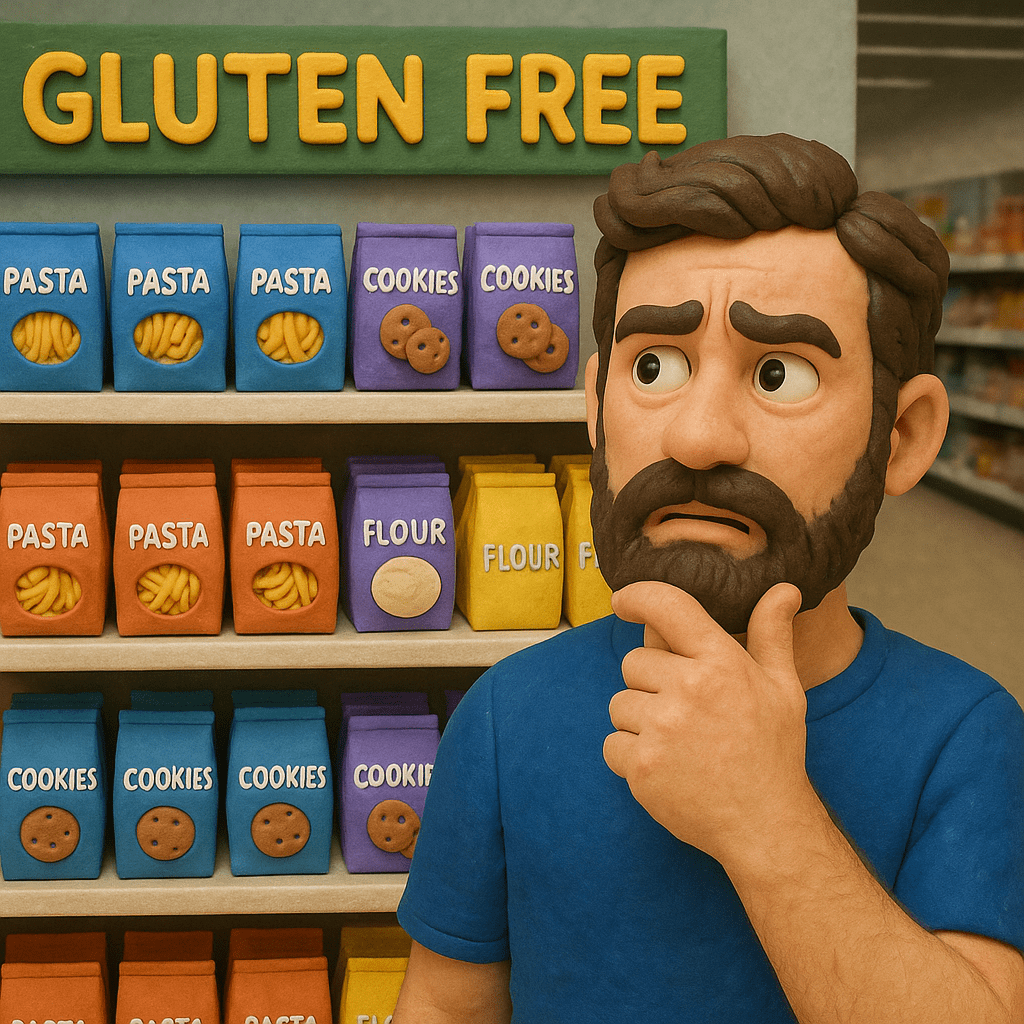
Finding out you need to go gluten free can be daunting. Not only does it feel overwhelming, but it can also be confusing with so much conflicting information out there. On top of that, there are added hurdles and challenges you will need to navigate.
Instead of having to figure it all out on your own, I have put this guide together to help you, or someone you know, through the ups and downs of living gluten free.
This post is all about the real struggles you might face and, more importantly, how to make gluten free living that little bit easier.
What Does Living Gluten Free Actually Mean?
At its core, living gluten free means avoiding wheat, barley, and rye. Oats are a grey area. Unless they are certified gluten free, they are usually contaminated.
The tricky part is that gluten is not just in bread and pasta. It sneaks into sauces, soups, soy sauce, spice mixes, and even sweets. That is why the gluten free journey often begins with shock at just how many everyday foods are suddenly off the table.
The good news is that plenty of foods are naturally gluten free. Rice, potatoes, fruit, veg, meat, dairy, beans, and more will become your allies and budget savers quite quickly.
The Everyday Challenges of Living Gluten Free
Constant Label Reading
Reading labels becomes second nature. In the UK, gluten containing grains must be written in bold on packaging, which helps, but you will soon learn that malt extract, barley flavouring, and may contain warnings can trip you up.
💡 Tip: the Coeliac UK scanner app makes checking products faster when you are shopping.
Cross Contamination Worries

Even if the ingredients are safe, the way food is cooked matters. Shared fryers, crumbs on chopping boards, and dodgy toasters can cause just as much trouble as a slice of bread.
Restaurants often warn about cross contamination, and that is not them being difficult. It is a real risk. Learning to ask the right questions and to trust your instincts is part of the process.
Eating Out
For many, this is the hardest adjustment. Asking for a gluten free menu can feel awkward at first, like you are being that person. You are not. You are protecting your health.
- Do you have a dedicated gluten free menu
- Are your chips cooked separately from battered items
- Is your gluten free pizza cooked in a separate oven
And when you find a place that gets it right, it is pure joy.
Social Pressure and Family Gatherings
There is always an auntie who says, a little will not hurt you. Friends might forget, colleagues may bring in doughnuts, and you will sometimes feel like the awkward one for saying no.
Standing firm is part of living gluten free. The more confident you are in your response, the easier it gets.
The Cost of Gluten Free Foods
Gluten free foods are famously pricey. That three pound loaf of bread that feels more like a brick than a baguette. We have all been there.
The trick is not to rely on the free from aisle alone. Naturally gluten free staples like rice, lentils, potatoes, and corn are cheaper, healthier, and far more versatile. Think beyond replacement foods and your wallet will thank you.
Missing Old Comfort Foods
There is also an emotional side. Losing your go to takeaway or your favourite doughnut can feel like a mini heartbreak. And yes, sometimes you will grieve food.
The discovery phase is surprisingly rewarding. Gluten free bakeries, new recipes, and clever cooking hacks such as air fried gnocchi can genuinely rival the old favourites.
Health Rollercoaster
When you first cut out gluten, you might expect to feel instantly better. For some, improvements are quick, but for others, it can take months for the gut to heal. During that time you may still feel run down, bloated, or tired.
Accidental gluten exposure can also set you back, sometimes in small ways and sometimes in bigger ones. It is frustrating, but knowing this is normal can make it easier to handle. The important thing is that your body is on the right track, and sticking with gluten free is the only way to protect your health if you have coeliac disease.
Hidden Gluten in Everyday Life
One of the biggest surprises for many is that gluten shows up outside the kitchen. Medicines, supplements, lip balm, make up, and even Play Doh can all contain gluten.
The first time you realise your daily vitamins or lipstick might be a problem, it feels overwhelming. But once you know what to check, it becomes easier. Not everyone has to worry about gluten in non food products, but for coeliacs, even small exposures can matter. Double checking labels and asking manufacturers is worth it.
Travelling Gluten Free

Eating gluten free at home is one thing. Travelling is another level of challenge. Airports, train stations, and motorway service stops rarely have reliable options, so it pays to plan ahead.
Going abroad adds language barriers into the mix. That is where having a gluten free travel card can save you a lot of stress, as it explains your needs clearly in another language. Whether you are gluten free by necessity or choice, planning makes travelling smoother. For coeliacs, preparation is essential to avoid getting ill.
Dealing with “Gluten Free Fads”
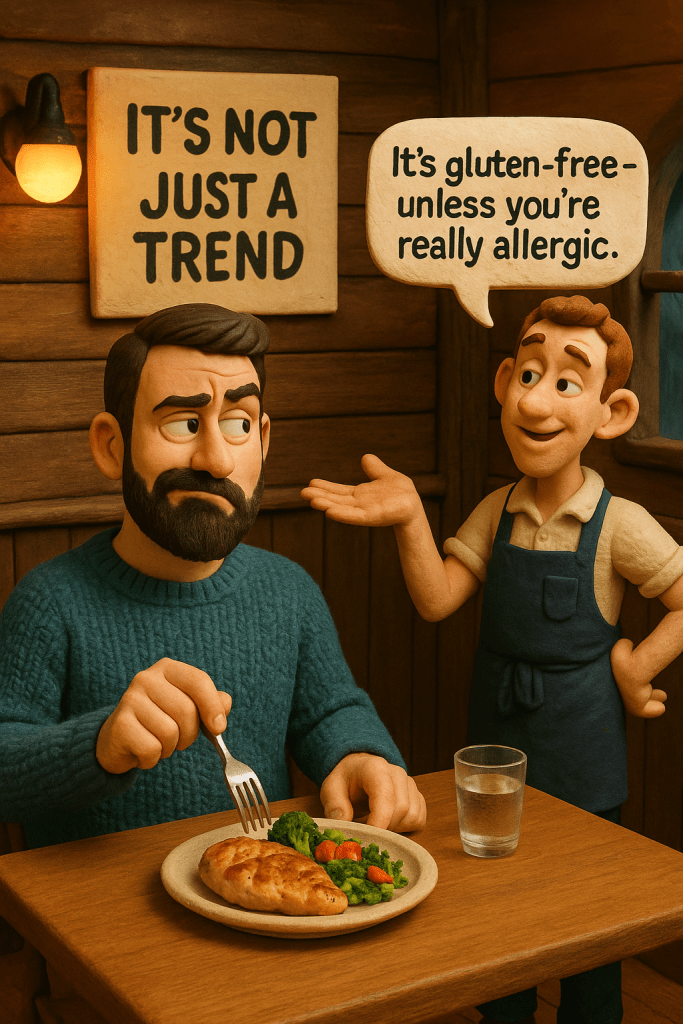
Another unexpected challenge is how gluten free is seen by others. Some people treat it like a diet trend or a lifestyle choice, which can make it harder for those with coeliac disease to be taken seriously.
It is important to say that not everyone who avoids gluten is doing it for a fad. Some people have gluten intolerance or other medical conditions that mean gluten causes them real problems too. But for coeliacs, eating gluten free is non negotiable. Even the tiniest amount can cause lasting damage to the gut.
That is why being clear about your needs, even if you feel like you are repeating yourself, is so important. You are not being awkward. You are protecting your health.
Mental Load and Exhaustion
Perhaps the hardest part of living gluten free is not the food itself, but the mental load that comes with it. Thinking about every meal, checking every label, and planning ahead for every outing all adds up.
Food is not just fuel. It is social, cultural, and emotional. Living gluten free changes how you approach all of that, and it can be draining at times. People with intolerances often feel this pressure too, but for coeliacs the stakes are even higher, which makes the mental load heavier.
The good news is that the weight does lift over time. As you learn routines, find safe foods, and connect with others, it becomes less exhausting and a lot more manageable.
Tips to Make Living Gluten Free Easier
Build a Gluten Free Cupboard
Stock up on gluten free pasta, flours, oats that are certified, and snacks. Having a safety net at home makes meal planning less stressful.
Find Your Safe Spots
Discover restaurants that understand coeliac needs and keep a list handy. When travelling, use gluten free translation cards such as my Coeliac Travel Card to stay safe abroad.
Join the Community
The gluten free world is full of support. Facebook groups, Instagram, and local coeliac meet ups remind you that you are not doing this alone.
Focus on What You Can Eat
Instead of fixating on what is gone, focus on the huge variety of naturally gluten free foods. Exploring new cuisines can be a game changer. Think curries, Mexican rice dishes, and Spanish tapas.
Plan Ahead for Meals and Snacks
One of the best ways to reduce stress is to plan ahead. Having a few safe meals in the freezer or snacks in your bag means you are never caught out when hunger strikes. It is a small effort that saves a lot of worry later.
Learn a Few Simple Gluten Free Recipes

Cooking at home gives you control. Start with easy, naturally gluten free meals like curries, risottos, or roasted veg with meat or fish. Once you get the hang of it, you can experiment with gluten free baking and pasta dishes.
Talk Openly About Your Needs
It can feel awkward to explain, but being upfront with friends, family, and restaurants makes life easier. The more you normalise it, the less stressful it becomes. Most people want to help once they understand.
Keep a Gluten Free Survival Kit
A little “just in case” kit in your bag or car, with snacks, a safe cereal bar, or some crackers, can be a lifesaver at parties, work meetings, or when travelling. It also takes the pressure off when options are limited.
Celebrate the Wins
Living gluten free is not only about challenges. Celebrate the safe restaurants you discover, the recipes that turn out well, and the moments you realise you are thriving. Focusing on progress makes the journey much more positive.
Helpful Resources
FAQ
Is living gluten free difficult
It can be at first, but once you learn the basics, it becomes second nature.
What gluten free foods are naturally safe
Rice, potatoes, fruit, veg, beans, meat, fish, dairy, and nuts are naturally gluten free.
How do I avoid cross contamination
Use separate chopping boards, a dedicated toaster, clean utensils, and ask restaurants about cooking methods.
Why is gluten free food more expensive
Specialised ingredients and smaller production runs drive up costs. Sticking to naturally gluten free staples helps cut the bill.
Do you need to be coeliac to go gluten free
Some people cut gluten for other health reasons, but for coeliacs it is essential. Even tiny amounts cause damage.
Conclusion
Living gluten free comes with its fair share of challenges. It is not all doom and gloom. With the right knowledge, a stocked cupboard, and a supportive community, it becomes easier and even enjoyable.
💬 Over to you. What has been your biggest challenge living gluten free. Share in the comments. Your experience might help someone else who is just starting out.
Keep Reading
Gluten free life isn’t just about avoiding wheat, it’s about finding the best substitutes that actually taste amazing. Here are some posts you’ll love…
- Best Gluten Free Pasta Brands 🍝
- How to Cook Gluten Free Pasta 🍽️
- Top Gluten Free Flours to Bake With 🍞
If you’ve been enjoying these posts, check out The Gluten Free Chronicles. It’s my personal series on life with coeliac disease, the highs, the lows and the snacks in between.


Leave a reply to Anonymous Cancel reply